


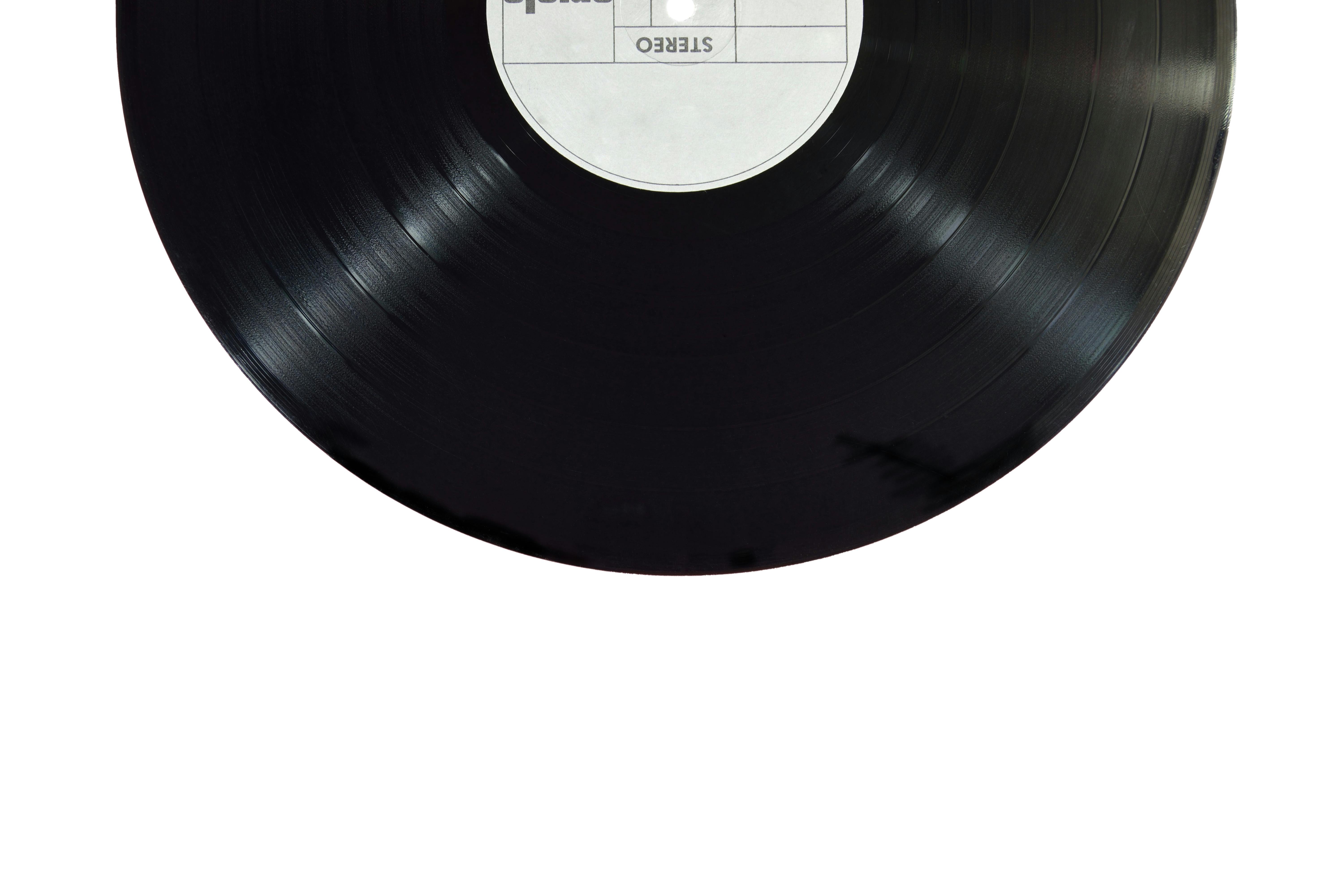
At the heart of clubs, block parties, and massive festivals, one figure has dominated for more than forty years: the DJ. Often seen as a simple record player, the DJ is in fact much more than that. Creator of atmosphere, sound architect, cultural force, technological innovator — the DJ has become an essential pillar of hip-hop, house, and techno culture.
In this article, we take an in-depth look at the DJ’s role, influence, and evolution, from the early New York ghettos to the international electronic music scene.
The Origins: The DJ as an Artistic Pioneer
Even before MCs picked up the microphone, the DJ was already there. In the 1970s in the Bronx, DJs energized block parties and shaped the earliest hip-hop sounds. Legends like Kool Herc, Grandmaster Flash, and Afrika Bambaataa laid the foundations of a culture that would go on to conquer the world.
The DJ was not just a musical host — they manipulated vinyl records to create something entirely new. The idea of extending a song’s break, linking rhythms in original ways, or even using turntables as a true instrument was a revolution that redefined live performance.
Without them, there would be no rap as we know it. No breakdancers. No beat culture.
The DJ in Hip-Hop: The Master of Rhythm
In hip-hop, the DJ is historically the cornerstone. The movement was born from their creativity: scratching, rapid transitions, repeated sequences designed to make people dance. The MC came later, as a voice riding on music that was already orchestrated.
Scratching: An Iconic Sound Signature
A flagship hip-hop technique, scratching allows the DJ to turn a simple sound into rhythmic texture. It is a precise, almost choreographic artistic gesture. Over time, it became a defining symbol and the very essence of turntablism — a discipline where the DJ becomes a musician in their own right.
Battles: A Space for Expression and Competition
DJ competitions (DMC, Red Bull 3Style, and others) are a natural extension of hip-hop culture. They showcase precision, creativity, and the ability to surprise an audience.
These battles have allowed many talents to break into an industry dominated by MCs, while enriching techniques and innovations around turntables.
House Music: When the DJ Becomes the Spiritual Guide of the Dancefloor
In the 1980s, house music emerged in Chicago clubs, especially at the Warehouse where Frankie Knuckles shaped a sound dedicated to collective energy. The DJ was no longer just an entertainer — they became a guide, leading bodies on a musical journey.
An Immersive Experience Above All
In house music, the goal is to maintain a continuous flow. Transitions become essential. The DJ creates build-ups, drops, and shared moments of euphoria. The role is not about showcasing technical skill, but about creating unity.
A Major Contribution to Inclusion and Diversity
House music was born within marginalized communities (African American, Latino, LGBTQ+). DJs played a central role in creating safe spaces where these groups could express themselves freely.
Their musical choices, artistic direction, and dancefloor leadership helped break social norms and celebrate freedom.
Techno: The DJ as a Futuristic Architect
Techno developed in Detroit in the 1980s, driven by Juan Atkins, Derrick May, Kevin Saunderson, and others. The DJ became a near-scientific figure, exploring machines, textures, repetition, and drones.
Technology at the Core of Creation
With techno, the DJ manipulates not only turntables but also an array of machines: drum machines, synthesizers, sequencers.
Their mission? To build a hypnotic, mechanical, futuristic sound architecture. They become both composer and performer.
A Performance Beyond the Dancefloor
In techno, performance is experienced as a complete sensory journey: lighting, stage design, sound spatialization, total immersion. The DJ acts as a conductor controlling an entire aesthetic universe.
The DJ as a Cultural Curator
Across hip-hop, house, and techno, the DJ’s role goes far beyond performance. They become a curator — someone who selects, assembles, and tells a musical story.
The Art of Musical Selection
Unlike artists who create their own tracks, DJs elevate the work of others. Their skill lies in:
- Stylistic coherence
- Innovation in transitions
- Reading the crowd
- Balancing rare tracks and hits
They are, in a way, the librarians of the dancefloor.
Passing Down Musical Culture
DJs are also responsible for preserving and transmitting classics, influences, and samples. Without them, many foundational tracks would be forgotten. They are the guardians of a collective sound memory.
Technological Evolution: From Vinyl to Streaming
The DJ’s role has evolved with tools. From vinyl to CDJs, from software like Serato and Rekordbox to controllers, technology has opened new possibilities.
More Accessibility — and More Complexity
Today, anyone can start mixing with minimal equipment.
But paradoxically, competition is tougher: audiences expect cleaner, more complex, more immersive performances.
The Blurring Line Between DJ and Producer
In electronic music, producing original tracks has become almost essential to gain international recognition. The DJ is now creator, technician, visual artist, and entertainer all in one.
The Social Dimension: Making People Dance — and More
The DJ creates an atmosphere where people can release tension, meet, and connect. In an increasingly digital society, clubs, concerts, and festivals remain vital social spaces. The DJ plays a central role as the facilitator of these shared experiences.
DJs as Cultural Leaders
Today, DJs influence:
- Musical trends
- Nightlife culture
- Artistic collaborations
- How music is consumed
They sit at the heart of the creative industries.
Conclusion: The DJ, Driving Force of Three Major Cultures
From hip-hop to house and techno nights, DJs have shaped entire movements. They are the guardians of celebration, the inventors of new sonic languages, the guides of our nights. Without them, these cultures would never have reached the global scale they enjoy today.