


In recent years, TikTok has evolved from a simple short-video app into an undeniable force in the music industry. This social network, which encourages creativity, spontaneity, and sharing, has profoundly changed how artists are discovered, how songs become hits, and how record labels design their marketing strategies.
Whether you're a music fan, an aspiring artist, a marketing professional, or simply curious, understanding how TikTok has redefined the rules of the music game is essential. In this article, we explore in detail the many facets of this revolution: from emerging artists propelled to the top, to the challenges and limitations of a system that has become indispensable.
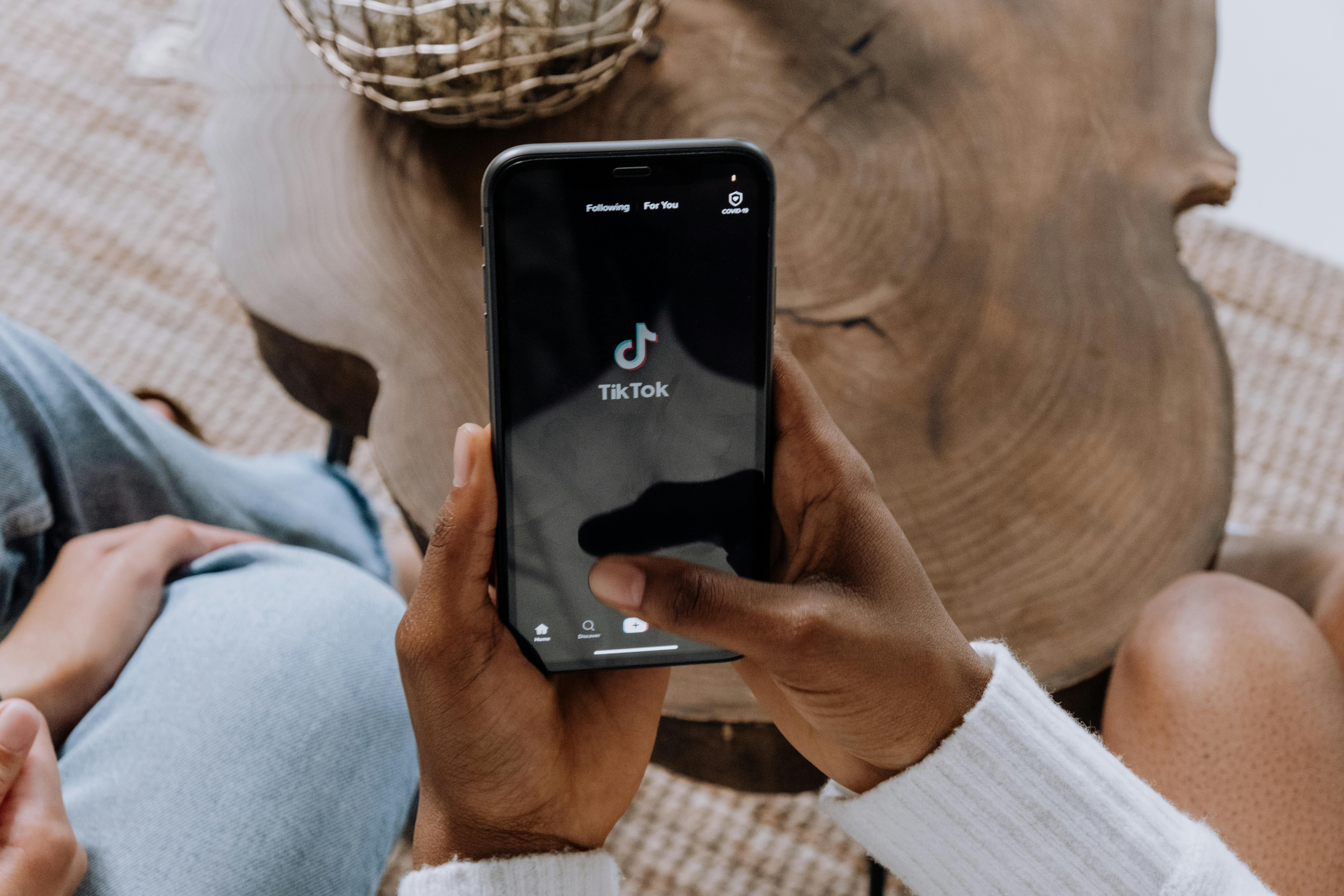
The Rise of TikTok in the Music Ecosystem
TikTok has gone far beyond being a social media phenomenon: it has become a true catalyst for music. Thanks to its powerful algorithm, the platform allows relatively unknown tracks to suddenly explode, giving them visibility that traditional radio or curated playlists sometimes struggle to provide. This democratizing power appeals to both listeners and artists, who see TikTok as a springboard to global recognition.
TikTok’s very structure—short videos, usually between 15 and 60 seconds—favors specific musical excerpts: catchy choruses, memorable hooks, or striking moments. These fragments become micro-hits around which users build dances, memes, challenges, or lip-syncs. With just a few clicks, a sound can spread like wildfire across the world.
At the same time, record labels and music publishers have clearly recognized the platform’s potential. They now invest in TikTok campaigns, sponsor challenges, or encourage influencers to use certain songs. This convergence between the traditional music industry and the digital influencer economy is redefining promotional strategies.
Emerging Artists Propelled by TikTok Virality
One of the most striking changes introduced by TikTok is the possibility for completely unknown artists to break through overnight. No longer is a large budget or an established network required to reach millions of people; sometimes, all it takes is a well-crafted video.
Artists such as Lil Nas X (with “Old Town Road”) and Doja Cat saw their careers take a major turn thanks to TikTok. They used the platform to share excerpts, launch challenges, or interact directly with their audience. The mechanism is simple but extremely powerful: virality feeds on user participation, as people recreate and remix content, amplifying the reach of the music.
This dynamic also opens the door to greater artistic diversity. Less conventional or mainstream genres (independent rap, experimental music, songs in different languages) find their audience through community engagement. This democratization disrupts old models, where only a limited number of artists benefited from massive marketing support.
Music Marketing Strategies in the TikTok Era
TikTok has forced the music industry to fundamentally rethink its promotional methods. Labels and artists no longer wait for radio airplay—they create the “radio” directly on the platform.
Marketing campaigns on TikTok may include challenges, viral dances, custom filters, or partnerships with influencers. These strategies rely on participation: the more users appropriate a sound, the more popular it becomes. In this sense, TikTok functions as a laboratory for musical experimentation.
Artists or their teams can target micro-influencers—creators with smaller but highly engaged audiences—to launch a challenge or test the viral potential of a song excerpt. If the concept resonates, it can quickly be picked up by much larger accounts, creating a snowball effect. This more organic, community-driven promotion often proves more cost-effective and efficient than traditional campaigns.
Additionally, TikTok’s internal data (view rates, shares, geolocation) provides labels with valuable insights. They can adjust their strategy in real time, shift focus to emerging markets, or adapt visuals and messaging to maximize impact.
Impact on Charts, Consumption, and Streaming
TikTok doesn’t just create temporary buzz—it has a lasting influence on music charts and streaming platforms. When a track goes viral, it often triggers a massive increase in plays on Spotify, Apple Music, Deezer, or YouTube.
Users discover a snippet on TikTok, then search for the full version on streaming services, creating a very direct discovery loop. Artists benefit not only from instant exposure but also from longer-term engagement that translates into streaming revenue.
Record labels now closely monitor TikTok trends to anticipate potential hits. When a sound gains traction on the platform, it may receive stronger promotion, radio play, or placement in strategic playlists. Some charts even integrate TikTok-related metrics, acknowledging the platform’s influence on global audio consumption.
TikTok has also changed listener behavior. Audiences are more inclined to consume short excerpts, search for remixed versions, or interact creatively with music. This challenges traditional models centered around full albums. Today, a single—or even just a fragment of a song—can be enough to launch a career.
Remixes, Challenges, and Music Formats Born on TikTok
Another key aspect of TikTok’s impact lies in the creation of new musical formats. Remixes, mashups, and original transitions have become commonplace, as the platform encourages users to reuse, remix, and reinterpret content.
Dance challenges remain one of the most popular formats. They push artists to imagine simple, memorable, and easily reproducible choreographies that can go viral within hours. Some creators also rely on visual or sound transitions using song excerpts, contributing to the emergence of highly specific styles.
Informal remixes created by users extend a song’s life well beyond its initial release. A melody can be transformed, sped up, reversed, or combined with other sounds, creating versions that circulate in niche communities or resurface thanks to a viral challenge.
TikTok has also inspired professional artists to create tracks tailored to the platform: shorter intros, specific sound bridges, and ultra-catchy choruses. This represents a reinvention of traditional song structures, adapted to an audience that consumes music in fragments but with high engagement.
TikTok as a Music Discovery Platform
One of TikTok’s most powerful features is its role as a music discovery platform. For users, it’s a constant source of inspiration: every scroll can reveal a new sound, an unfamiliar artist, or an unexpected adaptation.
Thanks to its algorithm, users are exposed to a wide variety of content, including music that doesn’t necessarily match their usual tastes. This targeted yet unpredictable exposure encourages openness to new genres, different musical cultures, and independent artists.
Content creators play a major role in this discovery process. Whether influencers, dancers, or casual users, their daily use of lesser-known tracks helps expand those songs’ audiences. Communities form around specific sounds, duets emerge, and virtual collaborations take shape.
For record labels, TikTok has become a scouting channel. They identify talents gaining traction through excerpts, connect with these artists, and sometimes sign them after a single viral challenge. This logic is deeply transforming how music is discovered, produced, and distributed.
Risks and Limitations of TikTok Dependency
While TikTok’s impact on the music industry is significant, it is not without risks. First, virality can be short-lived: a song may explode for a few weeks and then fade into obscurity. The revenue generated is not always proportional to the exposure.
Some artists also become dependent on TikTok to maintain visibility. They may feel pressured to create “TikTok-friendly” songs at the expense of their artistic style or authenticity. This pressure can lead to a homogenization of music designed primarily to optimize virality.
There is also the risk of saturation. Users are exposed to dozens, even hundreds, of challenges every week, which can reduce engagement. Attention is increasingly fragmented, and competition to create the next viral hit is fierce.
From an ethical standpoint, monetization on TikTok raises questions: how can creators be fairly compensated when a 15-second excerpt is used millions of times? Traditional copyright models are being challenged, and legislation often struggles to keep pace.
Finally, the platform itself evolves rapidly. Algorithms change, formats shift, and what works today may not work tomorrow, making long-term marketing strategies risky.
Future Perspectives: How TikTok Will Continue to Change the Music Industry
TikTok shows no signs of slowing down—on the contrary, its ambitions continue to grow. The company may develop even deeper partnerships with labels, artists, and streaming platforms, further integrating creation, promotion, and monetization.
Future features could include built-in creation studios, simple mastering tools, or advanced music analytics tailored to musicians’ needs. TikTok could become a complete hub for music production, distribution, and consumption.
On the artist side, many will use TikTok from the very beginning of a project to test song excerpts, gauge audience reactions before recording a full album, or adapt tracks based on community feedback. This participatory approach could redefine the music creation process.
Record labels will also need to innovate. They may sign artists directly through TikTok campaigns, create “TikTok labels,” or launch talent incubators based on virality. The A&R (Artist & Repertoire) model will have to adapt to this hyperconnected reality.
Finally, TikTok’s geographic and cultural impact will likely intensify. Artists from underrepresented regions may emerge thanks to strong local virality, making the music world even more global and diverse.
Conclusion and Call to Action
TikTok has truly revolutionized the music world by transforming how we discover, create, and share songs. This social network is not just an entertainment tool—it is a career catalyst, a marketing laboratory, and a hub of musical diversity. Despite its risks (short-lived virality, artistic pressure, compensation issues), its advantages are undeniable: the platform offers a powerful gateway to success, even for the most modest artists.
In the future, TikTok will likely continue to influence the structure of the music industry, shape song formats, and redefine label strategies. For artists, it represents an unprecedented opportunity; for music professionals, a constant innovation playground; and for listeners, an ever-richer, more interactive, and surprising experience.
So don’t wait: if you’re an artist, test your ideas on TikTok, measure their impact, and adapt your creations to emerging trends. And if you’re passionate about music or digital marketing, keep a close eye on this platform that is reshaping music as we know it.
Do you dream of getting started and learning the professions of beatmaker, DJ, or sound engineer? Book an appointment!