


In the live music industry, from intimate concerts to massive festivals, the sound engineer plays an invisible yet essential role: sculpting every note, amplifying every vibration, and ensuring the audience hears the performance with precision and emotion. For decades, this role was largely dominated by men. Yet today, more and more women are entering the field and redefining the standards of the audio industry. Their presence is changing not only the sound of concerts but also professional models, collaborative practices, and career prospects.
This article explores the journeys, challenges, and successes of female live sound engineers, while analyzing how they are permanently transforming the audio industry. We will see how their contribution goes beyond pure technical skill, how they are participating in a cultural shift, and how, ultimately, they are contributing to greater equality and diversity in a sector that has long been stagnant.
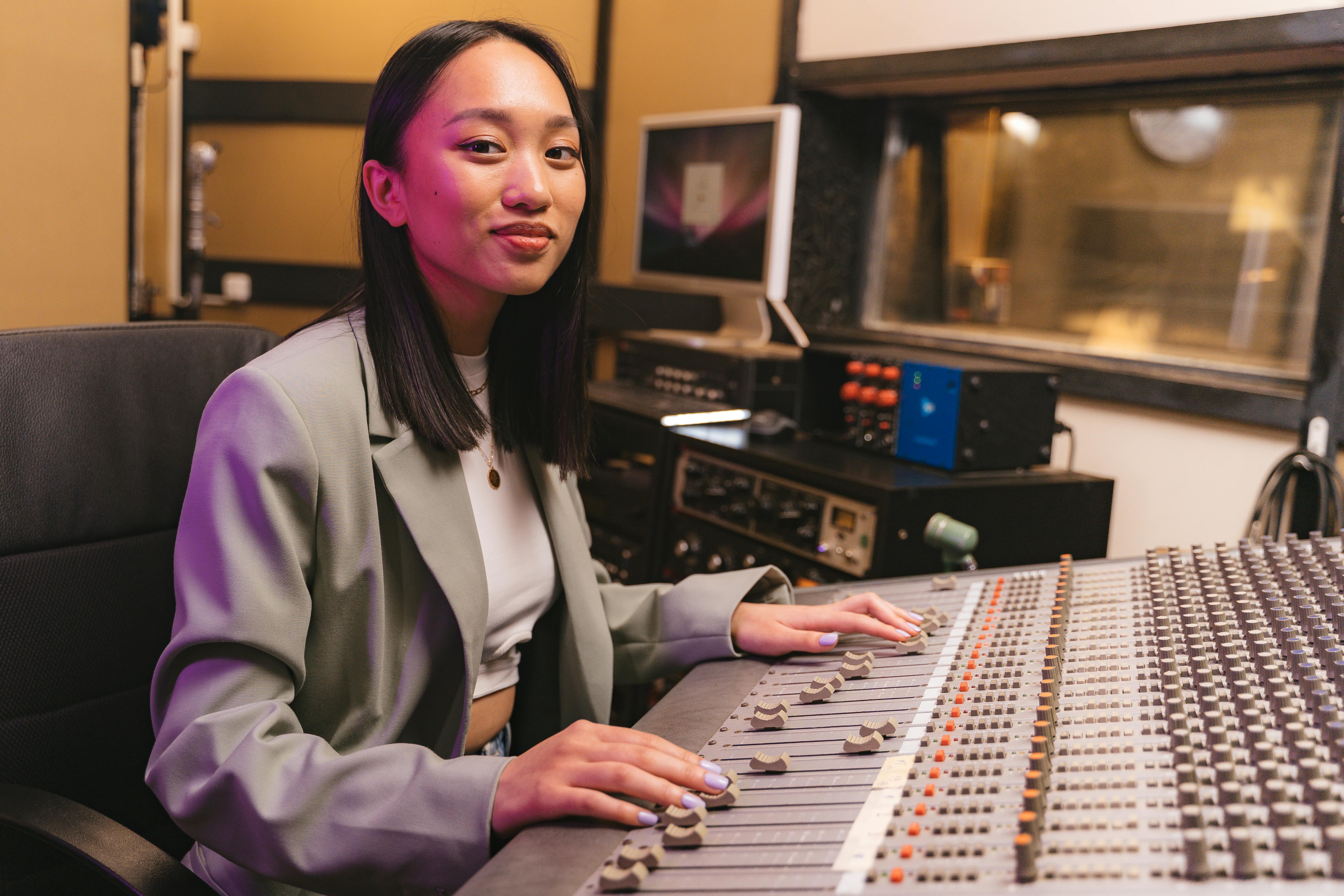
Historical Context: A Profession Long Dominated by Men
Historically, the profession of live sound engineer was perceived as technical, physically demanding, and intense—stereotypes often associated with men. The first generations of sound engineers, from the 1960s to the 1980s, were overwhelmingly male, working in sometimes hostile environments with little or no support for women interested in pursuing this career.
Tours were routine, crews were small, and most productions made little effort to recruit or include women. The absence of female mentors in the field reinforced the feeling that this job was not meant for them. Added to this were common prejudices—“the work is too heavy, too technical, or too unstable”—which discouraged many aspiring female sound engineers.
The First Pioneers: Paving the Way
Despite these obstacles, some women defied the norms and paved the way forward. Engineers such as Sylvia Massy, Wendy Carlos, and Susan Rogers made their mark on history, even though they were often more visible in studio work than in live sound. Their success inspired future generations to consider careers in audio engineering, including live sound.
These pioneers proved that women could not only excel in audio, but also innovate—in the studio, live sound, mixing, and mastering. They laid the groundwork for a more visible female presence in the industry.
Persistent Barriers: Stereotypes and Lack of Representation
Even today, obstacles remain. The lack of visibility of female live sound engineers is still a major issue. Few large tours or events highlight women technicians or sound engineers within their production teams. There is also a shortage of mentorship: professional networks are often male-dominated, making it difficult for young women to find role models.
Gender stereotypes continue to weigh heavily. Some female engineers report situations where their technical skills are questioned or where they must constantly prove their legitimacy. Sexism—whether overt or implicit—can still appear in the workplace, during salary negotiations, or in career advancement opportunities.
In addition, while technical training is becoming more accessible, it does not always integrate a gender perspective. Audio engineering schools do not always implement proactive policies to encourage female participation, which can leave young women feeling isolated.
The Turning Point: When Women Reinvent the Profession
Despite these challenges, a real turning point has been underway for several years. More and more female live sound engineers are entering the industry, bringing not only technical expertise but also fresh perspectives. Many emphasize that their approach to mixing, stage management, communication with artists, or sound creation can be different—not better or worse, but complementary.
These women introduce more inclusive and collaborative practices. For example, some prioritize empathetic listening: adapting sound not only to artistic needs but also to the psychological conditions of musicians, fostering a safer and more respectful working environment. They are also often more open to musical diversity, experimentation, and the integration of innovative technologies.
Impact on Live Performances and Sound Creation
The growing presence of women in live sound engineering is changing how live performances are conceived—not only technically, but artistically as well. Women bring different sensitivities to areas such as dynamic control, frequency balance, spatialization, and creating immersive experiences.
They are often more inclined to collaborate in feminist or inclusive ways, give a voice to marginalized artists, and support women artists, queer artists, or community-based projects. This approach enriches the concert experience for audiences, reshapes the sonic identity of events, and promotes greater musical diversity.
Additionally, some female sound engineers use their position to promote sustainable production practices—choosing more responsible workflows, energy-efficient technologies, or optimizing equipment to reduce the carbon footprint of tours.
Support Initiatives and Programs
To support this evolution, many initiatives have emerged. Organizations such as Women in Audio, SheSonic, and local collectives organize workshops, masterclasses, mentorship programs, and professional networks to encourage women to enter the live sound field.
Some festivals have begun implementing “book female sound engineers” programs to ensure more balanced representation within technical teams. Certain audio equipment companies also support these efforts by offering scholarships, internships, or training programs specifically for women.
Schools and universities have likewise developed programs that include diversity-focused modules, raising awareness among students about gender issues in audio. These efforts help create a strong and visible pool of female talent.
Business and Societal Benefits
Greater inclusion of women in live sound engineering benefits more than equality—it creates real added value for the industry. From a business standpoint, events that adopt inclusive practices can increase their appeal to broader, more engaged audiences. Audio equipment brands that support diversity also strengthen their image of social responsibility.
Socially, seeing women succeed in this technical profession sends a powerful message to the next generation: gender barriers can be dismantled. It helps break stereotypes around technical careers and encourages more young women to consider STEM paths (science, technology, engineering, mathematics) applied to audio.
Current and Future Challenges
Despite progress, several challenges remain. Female live sound engineers are often still underpaid compared to their male counterparts or less frequently placed on large-scale productions. The lack of precise data on pay equality in live audio makes it difficult to assess the full scope of the issue.
Touring work also remains demanding, with long hours, constant travel, and high stress—conditions that can discourage some profiles. Cultural expectations around parenting, stability, or sedentary lifestyles may limit opportunities for some women, especially if industry structures fail to provide appropriate solutions (childcare, flexibility, logistical support).
Diversity policies require long-term commitment; one-off initiatives are not enough. Structural changes are needed across production companies, festivals, equipment manufacturers, and tour organizers.
Tips to Encourage More Women in Live Sound Engineering
To accelerate feminization and diversification, several levers can be activated:
- Establish mentorship programs: pair experienced engineers with newcomers to share technical skills, experience, and moral support.
- Promote education and training: encourage audio schools to support women’s access, offer scholarships, and integrate diversity and inclusion modules.
- Raise awareness among tour and festival organizers: show them the benefits of including female sound engineers—not only for equality, but for creativity.
- Highlight female success stories: promote inspiring careers, create awards, conferences, or testimonials to increase visibility.
- Encourage inclusive company policies: urge audio and production companies to adopt diversity charters, fair recruitment practices, and working conditions compatible with women’s needs.
- Build networks and communities: develop local and international collectives where female sound engineers can support one another and share advice and opportunities.
Future Perspectives: Toward a More Inclusive Audio Industry
The live audio industry is at a turning point. With the rise of female sound engineers, professional standards are being redefined—not only in technical skills, but also in work culture, artist–technician relationships, and economic models. This evolution promises a more resilient, innovative, and socially representative industry.
The progress made so far suggests a future where gender diversity becomes the norm, where women hold leadership positions (head engineer, sound director), and where the audio industry fully benefits from all available talent. Achieving this will require collective commitment from institutions, companies, and individuals.
Conclusion
Female live sound engineers are not just technicians—they are catalysts for change. By challenging stereotypes, bringing new sonic perspectives, and inspiring the next generation, they are redefining the foundations of the audio industry. But for this transformation to reach its full potential, everyone has a role to play.
Whether you are a festival organizer, producer, audio student, or sound enthusiast: contribute to this movement. Support mentorship initiatives, promote female sound engineers, choose diversity in your teams and partnerships. Together, let’s ensure that the future of live sound is inclusive, innovative, and meaningful.
Do you dream of getting started and learning the professions of beatmaker, DJ, or sound engineer? Book an appointment!