


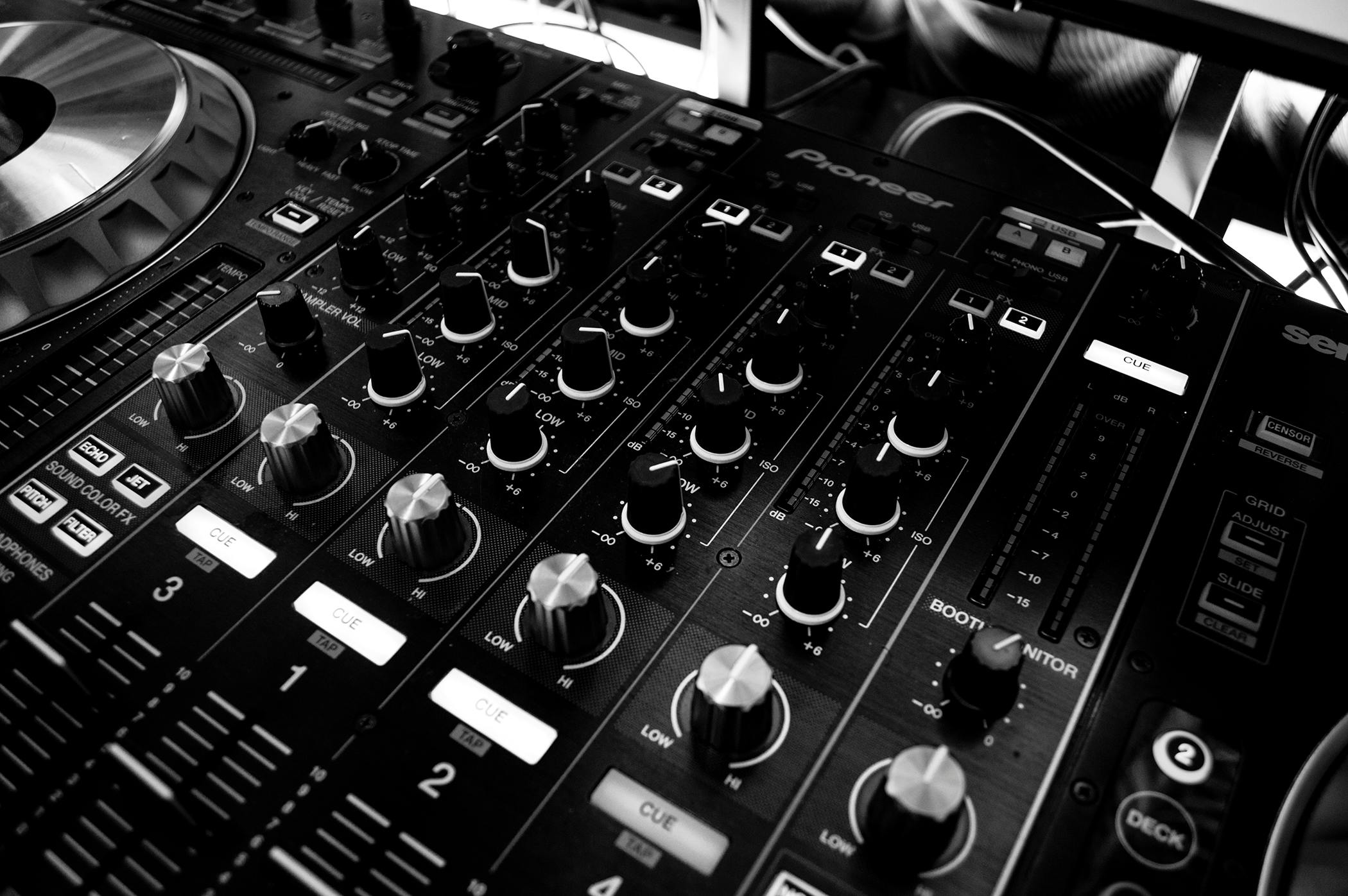
Long seen as a behind-the-scenes craftsman, the sound engineer has become one of the most strategic players in the music, audiovisual, and immersive industries. The rise of AI, the democratization of digital tools, and the growth of new audio formats have completely redefined the profession. From the era of analog tape to virtual studios running on laptops, the field has undergone a dramatic transformation that now places technical expertise on the same level as creativity.
The Analog Legacy: The Foundation of a Constantly Evolving Profession
Before the digital era, sound engineers worked with heavy, demanding, and sometimes unpredictable analog equipment. Handling tape machines, mixing consoles, and microphones required meticulous precision with no room for error. This legacy remains essential, as it represents a philosophy centered on authentic sound, natural texture, and the pursuit of harmonic warmth. Even in 2025, many professionals still value this approach, convinced it forms the foundation of modern audio quality.
The Digital Revolution: A Historic Turning Point
The arrival of Digital Audio Workstations transformed how sound is designed, edited, and produced. Through these platforms, sound engineers gained far greater creative freedom and could work on complex projects without relying on physical studios. Digital flexibility reduced technical limitations, democratized production access, and introduced new workflows. This revolution reshaped the profession into a hybrid practice combining technological expertise with artistic sensitivity.
New Tools, New Demands: Software at the Core of Production
Today, software and plugins sit at the heart of audio creation. They allow engineers to recreate, enhance, or invent effects once limited to expensive hardware. With them, sound can be shaped with unmatched precision. This abundance of tools also requires constant skill development — staying current with innovations, mastering countless processes, and adapting each setting to the artistic vision of every project.
Artificial Intelligence: A Game-Changer in Audio Production
AI now plays a central role in the sound production chain. By automatically analyzing voices, noise, and imperfections, it speeds up repetitive tasks and optimizes workflow. AI tools can clean recordings, enhance clarity, and offer semi-automated mixing solutions. Rather than replacing professionals, these technologies support creativity, expand expertise, and open new avenues for experimentation.
The Rise of Immersive Formats: Dolby Atmos and Spatial Audio
Streaming platforms and major studios have pushed immersive sound into the mainstream. With technologies like Dolby Atmos, sound engineers can now position audio elements in a three-dimensional space to create enveloping experiences. This shift has transformed required skill sets: understanding psychoacoustics, mastering object-based audio, and handling complex setups are now essential. Spatial audio has become a discipline in its own right, alongside traditional stereo mixing.
Home Studios: Democratization and Professional Expansion
Audio production is no longer limited to large studios. Home studios have proliferated, allowing thousands of creators to produce high-quality sound from home with accessible equipment. This democratization has expanded opportunities for sound engineers, who now support independent creators both technically and artistically. They increasingly act as advisors, collaborators, and even educators, significantly broadening their scope of work.
The Growth of Digital Audio: Podcasts, Streaming, and Short-Form Content
The success of podcasts, short videos, and streaming has reshaped audience expectations. Sound engineers must now ensure flawless quality, even on compressed formats and across diverse listening devices. Loudness standards, vocal clarity, and smooth editing have become critical for capturing attention. The profession now extends to producing audio optimized for mobile platforms, where technical precision is as important as sonic identity.
New Specialized Roles: The Sound Engineer as a Multi-Expert
Technology has given rise to new specializations: sound designer, VR audio technician, immersive mix engineer, podcast engineer, and AI audio specialist, among others. These hybrid roles reflect how the profession has diversified to meet the needs of industries such as gaming, advertising, music, and virtual reality. This evolution brings many opportunities but requires continuous adaptability and curiosity.
Essential Skills in 2025
To remain competitive, sound engineers must now master a wide range of skills: professional software, immersive spatial audio, digital acoustics, AI-driven tools, cloud-based collaboration, and cross-disciplinary communication. Alongside this, strong sound culture and artistic sensibility remain crucial for crafting emotional and cohesive audio worlds. The modern professional is technician, creative, consultant, and strategist all in one.
A Human-Centered Profession Despite Technology
Even with technological advancements reshaping production methods, the heart of the profession remains deeply human. The sound engineer interprets artistic intention, translates emotion, and sculpts atmosphere. Technology is only a tool — it enhances sensitivity but never replaces listening, intuition, or collaboration with artists. This emotional dimension continues to define the profession, despite rapid change.
Conclusion: A More Promising Future Than Ever
The field has undergone profound transformation driven by AI, digital innovation, and accessible production tools. Yet this shift represents an extraordinary opportunity for those willing to evolve, learn, and reinvent themselves. With the right tools and vision, the sound engineer of the future will explore sonic territories still undiscovered.
Dreaming of getting started and learning the professions of beatmaker, DJ, or sound engineer? Book an appointment to learn more!