


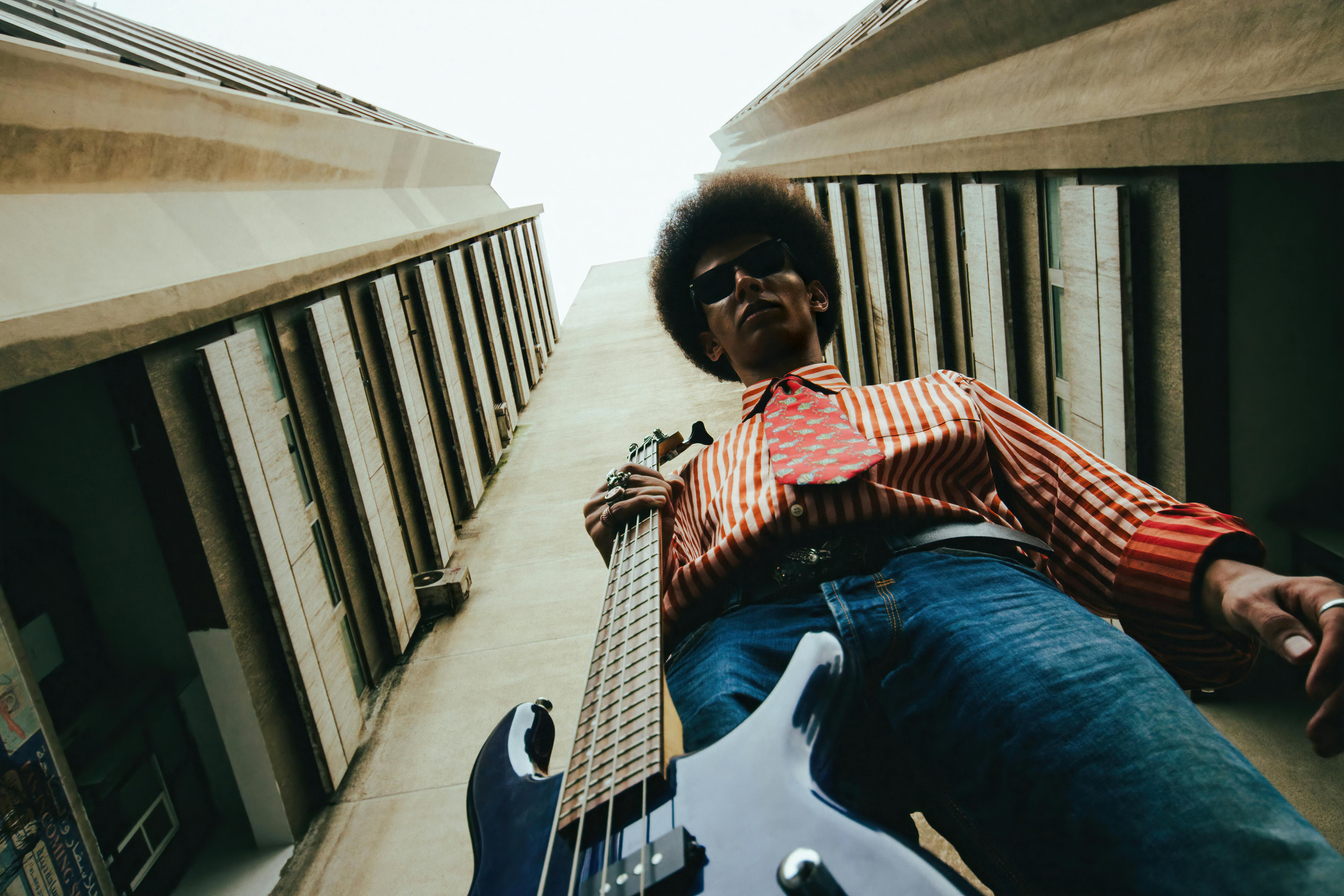
Fashion and music share an intense alchemy: each feeds the other, each inspires the other. Behind the scenes of show business, a strong trend has emerged over the past decade—collaborations between fashion houses or streetwear brands and renowned DJs.
When a brand partners with a DJ, it’s not just about a capsule collection or a shared logo. It’s a cultural, artistic, and marketing convergence. These partnerships make it possible to create exclusive collections, reach new audiences, generate powerful storytelling, and firmly anchor a brand within the music scene.
In this article, we take you into the fascinating world where fashion meets music, exploring the strategic motivations, iconic successes, challenges, and future perspectives of collaborations between brands and DJs.
The History of Music in Fashion
From rock tours in the 1970s to today’s urban icons, artists have always been standard-bearers of style. Album covers, music videos, and magazine covers have consistently portrayed DJs and musicians as fashion icons. In the age of digital influence, this visual dimension carries even more weight: artists have become living brands.
Why Brands Invest in Musical Collaborations
Fashion brands seek to tap into an artist’s authenticity, visibility, and community. A DJ as a brand ambassador provides direct access to a passionate audience—often young, connected, and culturally influential.
These collaborations also make it possible to create exclusive content, host events, and generate media buzz. It’s a co-branding strategy that strengthens brand image, creates scarcity, and drives sales.
DJs Positioning Themselves as Fashion Creators
Some DJs go beyond simply lending their name to a clothing line—they take on the role of designer. Drawing on their musical, aesthetic, and cultural sensibilities, they help shape design choices, materials, and cuts. The collection then becomes an extension of their sonic universe: an immersive experience that speaks as much to the eye as to the ear.
Standout Collaborations Between Brands and DJs
Fenty x Rihanna & DJ Influence
Although Rihanna is primarily an artist and singer, her Fenty brand integrates a strong musical vision. Collaborations with DJs for fashion events or launches embody this fusion, highlighting the porous boundaries between music, fashion, and club culture.
Adidas x DJs or EDM Labels
Adidas has collaborated with figures from the electronic music scene or collectives to create limited-edition sneakers, event-focused packaging, or festival-ready apparel. Branding through DJ sets and after-parties fits seamlessly into the adidas Originals streetwear strategy.
PUMA x David Guetta
PUMA, a sports and lifestyle brand, has worked with artists and DJs in the past. By aligning with David Guetta, PUMA reinforces its presence in nightlife, electronic culture, sport, and style. This enables “performance + look” collections—pieces that work both on stage and in everyday urban life.
Hype Streetwear x Underground DJs
Some niche streetwear brands collaborate directly with influential underground DJs on limited capsules, surprise drops, or “mixtape + clothing line” collaborations. These initiatives generate virality and exclusivity.
The Role of Festivals and Partner Brands
At major festivals (Tomorrowland, Ultra, Coachella, etc.), brands sponsor stages, VIP areas, or pop-up stores and often release capsule collections signed by headline DJs. This creates a direct link between the music event and fashion.
How a Successful Collaboration Is Built
Alignment of Brand Universes
For a partnership to work, the DJ’s world and the brand’s identity must resonate—architectural style, graphics, musical culture, and audience. A luxury brand partnering with an underground DJ must find points of convergence to avoid a cultural clash.
Creative Involvement of the DJ
If the DJ is only a “guest logo,” the audience senses a missed opportunity. Artists should be involved in choices around fabrics, materials, cuts, visuals, and packaging. This makes the collection credible and authentic.
Limited Editions & Scarcity Marketing
Drops, limited runs, pre-orders, and teaser campaigns are central. Fans of the DJ and customers of the brand want to own something unique—this is the core driver of the strategy.
Cross-Channel Marketing, Content, and Events
Behind-the-scenes videos, social media teasers, live DJ sets, launch parties, pop-up stores—all elements must fit together. Visual and media content should tell a cohesive story that unites fashion and music.
Distribution & Sales Channels
Online sales, flagship stores, event pop-ups at festivals or clubs, or streetwear platforms—distribution must balance exclusivity with maximum impact.
Benefits for All Parties
For the Brand: Image, Audience, Storytelling
The brand gains authenticity, novelty, and emotional connections. It reaches a new audience (the DJ’s fans), strengthens its cultural relevance, and tells a compelling story.
For the DJ: Diversification, Revenue, Branding
The DJ expands their personal brand, diversifies income (royalties, fees, revenue shares), and reaches new audiences. They are positioned as a full-fledged creator.
For Consumers: Exclusivity, Belonging, Symbolic Value
Customers don’t just buy a stylish piece—they buy the story behind it: “I own a limited collaboration with a DJ I love.” This creates symbolic value and emotional connection.
Case Studies & Feedback
Calvin Klein & DJs or Musical Artists
Calvin Klein has already featured artists in campaigns, but future capsule collections co-signed by DJs could merge the brand’s minimalist aesthetic with club energy. The challenge: maintaining luxury while injecting nightlife culture.
Underground Collaborations: Local DJ + Emerging Brand
An emerging brand can collaborate with local or regional DJs for a capsule collection, keeping costs low while testing the market and building grassroots storytelling. This can generate strong regional word-of-mouth and engagement.
Viral Success via Social Media
Imagine a DJ with a strong TikTok or Instagram following teasing a clothing drop linked to a new track, revealing pieces of the collection over time. The music-fashion synergy naturally drives virality, pre-orders, and user-generated content.
Common Mistakes & Lessons
- Lack of coherence: A mismatch between the DJ’s image and the brand’s identity can feel opportunistic.
- Insufficient artistic involvement: If the DJ is just a name, the collaboration feels hollow.
- Overestimating demand: An ambitious collection without market research may not sell.
- Poor logistics/distribution: Delays, sizing issues, stock shortages, or weak customer service can damage the experience.
Emerging Trends & Future Outlook
Metaverse Collaborations & Virtual Fashion
In virtual worlds and NFT ecosystems, fashion skins, digital items co-signed by DJs, and wearable assets are emerging. These are digital extensions of fashion and music.
Sustainable & Conscious Fashion with Engaged DJs
Eco-friendly collections co-created with socially and environmentally conscious DJs are gaining momentum, reflecting generational values and a “purpose-driven” aesthetic.
Hybrid Audio/Fashion Capsules
Future pieces may integrate audio chips, sound-reactive accessories (LEDs), or QR/NFC-linked playlists. This technical convergence creates true music-fashion objects.
Community Co-Creation & Fan Involvement
Fans can participate in creation through voting on designs, pre-orders, or limited editions, strengthening loyalty and personalization.
Luxury Houses Entering the Scene
More luxury brands may embrace DJ collaborations to refresh their image and connect with younger audiences through creative partnerships.
Conclusion
The intersection of fashion and music through collaborations between brands and DJs is more than a passing trend—it represents a true cultural shift. It allows brands to anchor themselves emotionally, DJs to become full-fledged creators, and fans to wear and live an entire universe.
Do you dream of getting started and learning the professions of beatmaker, DJ, or sound engineer? Book an appointment!